
Mad About the Cat
A humble guide to our furry friends

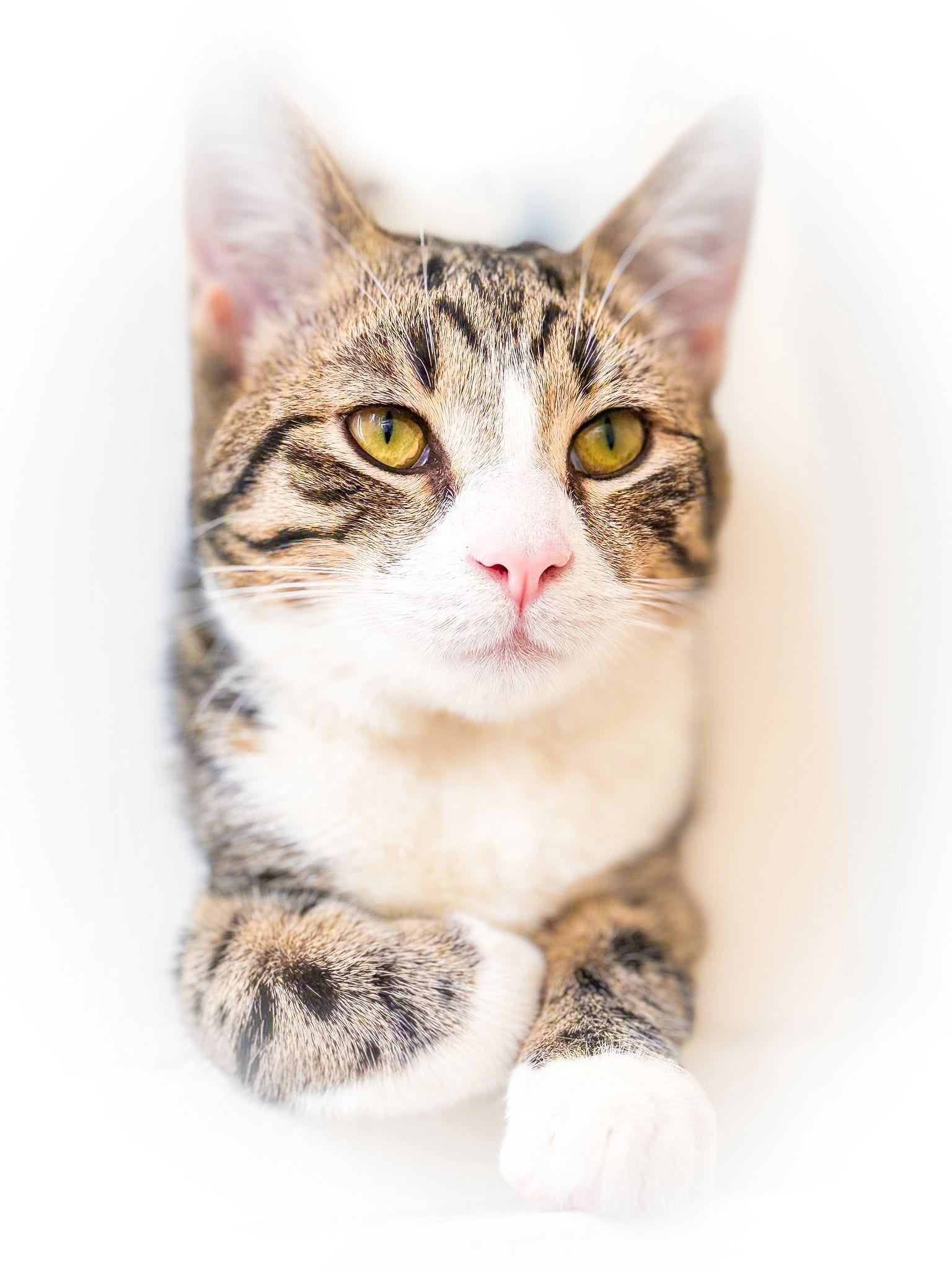
I have not long-posted for a while, after a busy summer of kids and a new cat. That’s right, a brand-spanking new cat. A cat I’ve been eagerly anticipating for years. And he’s perfect. He purrs like a well-tuned engine, his fuel consumption is remarkably low, exhausts are minimal, and he can do 0 to what-feels-like-60 in a meow. So, what else would I write about?
I’ve realised I have learnt some interesting things about cats, and would love to share my humble knowledge and experience, hopefully in a fun way. You must read on if you are thinking of adopting a feline friend, want to smile, or if you just love cats.
A disclaimer: All cats are different, so don’t read too much into what I say. I will not be held liable in court if I have misrepresented the cat experience. Let me give an example of how peculiar the cat-human bond can be. A couple I’m acquainted with were struggling with a new cats behaviour, they tried various things over a long period of time but eventually surrendered and had to re-home the chaotic kitty. About a year later they got a different cat, and this time round they are getting along just great. The former cat is undoubtedly also happier in a place where there is more freedom, outdoor space and hunting ground. Just as horses for courses, it’s cats for mats: do your research and whether your doormat says welcome, or f*** **f, get a cat that matches your vibe. Cattitude can relate to the breed, but also the individual cat so it is worth speaking with the breeders/ rescue centre about thier unique needs and personality. Also, like kids, cats change so there’s that too, I’m afraid.
Useful things to know about getting a cat.
It will cost you. There’s the food, litter, treats and toys, and if you’re a little nuts cat clothes, chaise lounges, automatic cat toilets, exercise wheels - you name it, it will be available for a price. Being down to earth and tight, I’ll focus on the essentials:
Initial outlay - litter trays (1 per cat + one extra), food and water bowls, and a cat bed with a hood so it has a safe nook (many rescue centres stipulate this). A hair brush is necessary for long and medium haired cats. A carry case for visiting the vet and travel is essential. Cat nail clippers are useful if your cat will stay indoors, alternatively you can have claws clipped as needed for a charge at the vets. We were even advised to get a toothbrush, which was used with limited success. If your cat will be venturing outdoors, decide between a cat flap or playing doorman at 4:00am. So far we have successfully managed to set a cat curfew but are well aware this may not work in the long run. These essentials will total to about £150-£300, but of course you can save with recycling preloved items or spend more and the sky is the limit.
Healthcare.
Pet insurance. There is no NHS for cats as they don’t pay tax or contribute to the economy in any way, and yet they are so fussy about bedside manner. Vets are expensive. Out of curiosity I enquired about an ultrasound for my cat (long story) and found it was £2500-ish, in contrast a human private ultrasound in the UK is typically £60-£260. So, having pet insurance for healthcare costs is really smart. Policies can be lifetime or time limited, with the former being the best option in young healthy cats albeit a bit more expensive. With time-limited policies, chronic health conditions may be excluded when the policy is renewed. Prices vary considerably, as does the level of cover, so pay attention to the details and make sure you’re comparing like for like. Expect to pay £10-20 a month, and this will likely go up after claims and as the cat ages, and may be significantly higher if you have a breed associated with specific health problems.
Microchipping is having a tiny electronic identity tag inserted under the cats coat, and this is now legally required in the UK by the age of 20 weeks, costing £25 upwards (much less than the £500 non-compliance fine). This internal tag can be read by any vet if your cat gets lost so you will be reunited.
Neutering- If you decide to get a cat, but don’t fancy ending up with a clowder (that’s lots of cats), or having a potentially aggressive tom cat swinging his balls and spraying your territory in pungent abandon, you will have to get puss neutered. It took me a little while to get over the guilt of this reproductive oppression, but my house smells good and I still only have one cat. A nuetered cat is also less likely to cause damage to your home, or exhibit behaviours that may be problematic to humans. Neutering costs you approximately £80-120 for a male cat, and £100-150 for a female. It costs the cat their balls or maternal bliss, so we do get off lightly.
Vaccinations- 2 lots are required early on (3-4 weeks apart), which cost approximately £100-150, and thereafter a booster annually (£45-100).
If your cat ventures outside they’ll require regular flea and parasite (worming) treatments - ideally deflea once a month. My vet advised purchasing over the counter flea treatment (£15 for 4 vials which is 4 months of treatment). They generally recommend parasite control (worming) 3-monthly (approximately £10-40) and treatment prescribed by a vet is more effective.
It is worth noting that if you are getting a kitten many vets have kitten packages that may save you some money. These packages vary and may include microchipping, neutering, vaccination and parasite medication with health checks for a time period. It’s worth checking what’s included and doing the maths specific to your kitty’s needs.
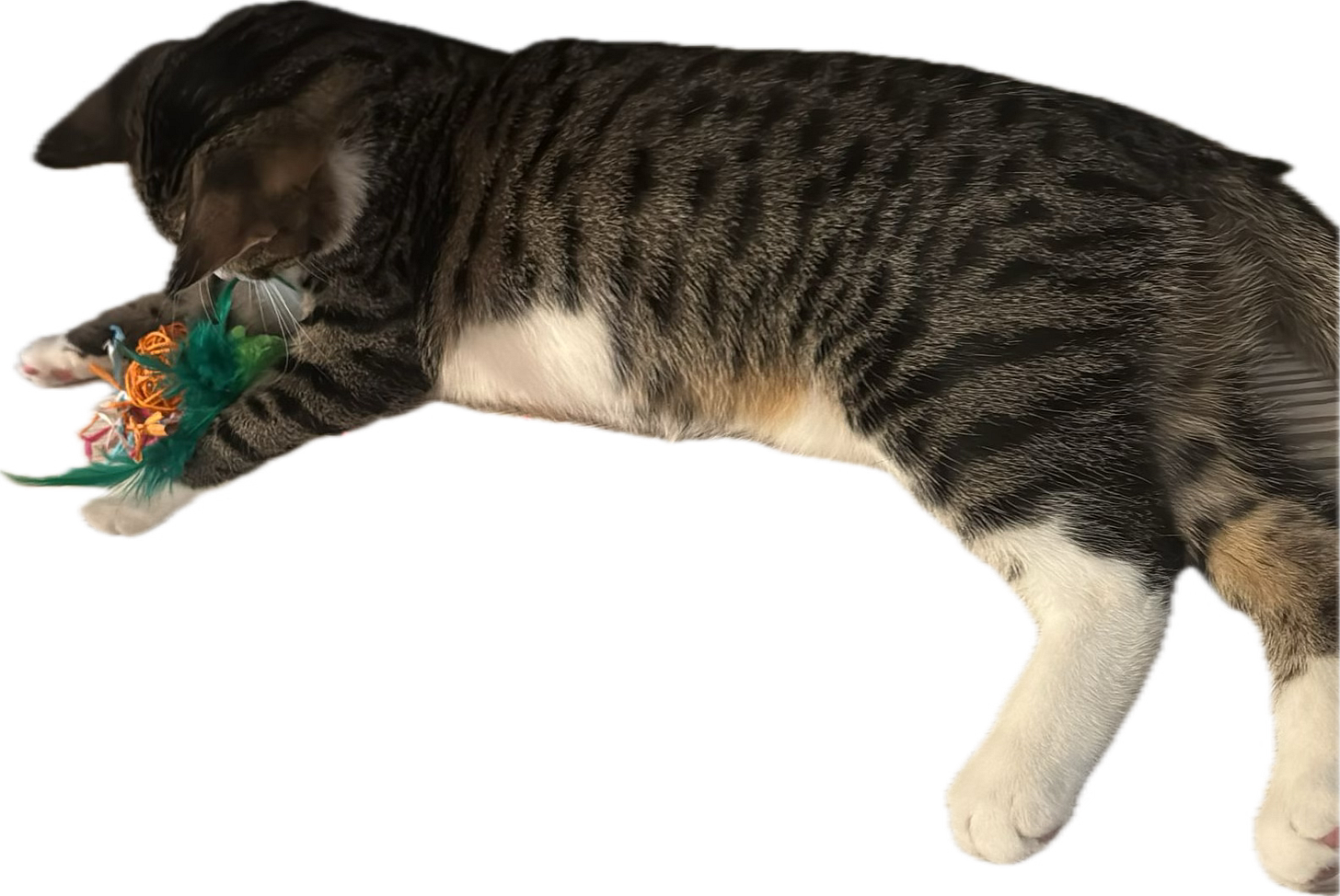
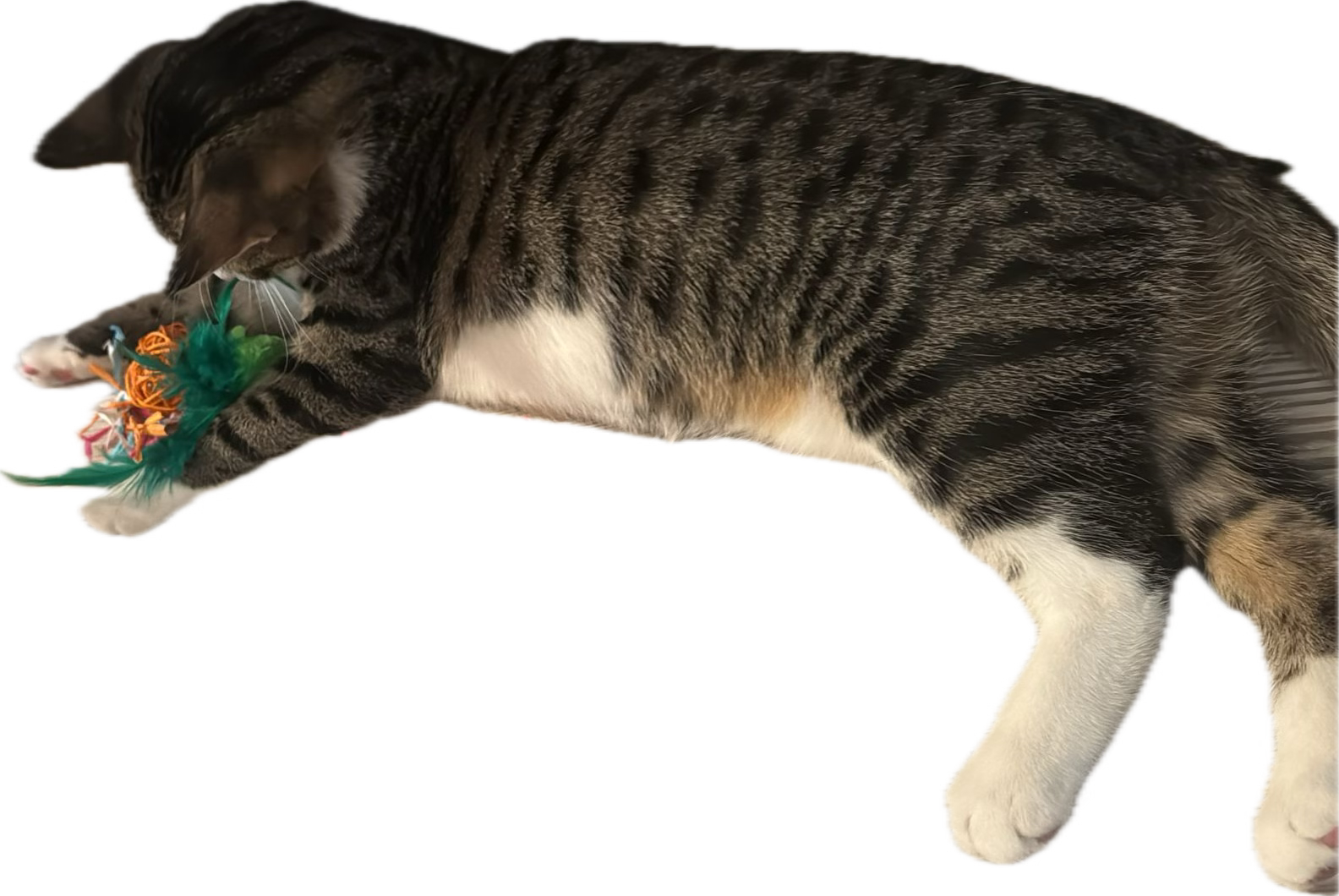
Cat toys. Kittens and indoor cats require these more and it is worth noting that cats get bored easily so recycled toys/ home made ‘safe’ toys can be better. Some toys encourage scratching which may divert your cat from decor destruction duties. Our cat was donated old toys from his brothers-from-another-mother (owned by my sisters-from-the-same-mother) and is happy as Larry the cat (of 10 Downing Street). He does, however, much prefer a thin soft leather belt, cheap plastic balls from a ball pit, and hairbands. Some toys are laced with Catnip, which is essentially a recreational drug for cats. I live in a strictly recreational-drug free home so my cat has not tried actual Catnip, but he goes crazy for a catnip-scented toy that was gifted. And then there’s the coveted cardboard box. You’ll find yourself scattering a cardboard box in your house here and there out of love, these can be swapped each time a new order arrives and I am sure my cat would buy shares in Amazon if he could.
Cat furniture is nice, although often for you rather than the cat. The right cat furniture can add interest to your room, and if your fussy furball bothers to use it then that’s an added bonus. I invested in a cat tree which incorporates an enclosed litter box which makes the best use of my space and keeps cat poop-time private. He does not care much for the rest of it, but it is a useful high shelf to temporarily store hairbands safe away from the cat. The price of cat furniture is variable, and it may not be necessary at all for you, particularly if your home has plenty of space with cubby holes and high spaces which the cat would likely prefer. However, if you need to offer an alternate to the windowsill next to your antique vase, then go for it. Also, move the vase- just in case. I’d say the only time cat furniture is essential is if you have limited indoor space and have an indoor cat, in this case if you don’t feel for the cat, feel for your leather sofa that may succumb to the wrath of brewing boredom and shattered feline dreams. On the extreme end of catastic furniture, I’ve seen amazing set-ups in rooms with multiple cat shelves, ladders, and cat hanging baskets that provide a full gym workout which is the stuff of kitty dreams I’m sure. But I have kids, so no.
Ongoing costs
Litter purchase costs £6-20 fortnightly. This may not be needed when/ if your kitty roams outdoors freely but mine comes back in to poop, and I suppose that’s one way to know he feels at home. Cat food costs are variable and approximately £10-£40 a month, or may be more if you feed it cat caviar (yes, it’s a thing).
So now you know what it costs to have a cat, but what’s it really like?
Pros and cons of cat ownership (cons first because I’m British):
Cons
Cost and hassle, as outlined above.
It’s not for everyone. You must really want a cat and be able to provide a caring, loving environment. Much of what I’ve said is tongue in cheek, but I don’t want to make light of this point. It’s essentially gaining another family member and you need to be sensitive and respond to the cats individual needs, which can take some care and consideration. Having said that, if you love cats this is not a con but a pro, as such caring is effortless and whatever you do for your fluffy friend you will thank them for the privilege.
It may not get easier. Cats age and can get ill, as you age also, and it’s worth considering how you can look after your cat into the longer term.
Just like any entity living or dead, cats carry germs. They are perhaps the cleanest fluffy pets; which other pet will bother to bury its poo and self-clean? However, cats do get around and can pick things up by fights with wild animals, snuggling up to that neighbour that doesn’t bathe, and generally rubbing themselves on anything. Luckily, the UK is rabies free but there are a few bacterial, fungal, and a parasitic diseases that are uncommon if you are familiar with basic hygiene. Don’t clean the litter tray and eat your chips at the same time. Wash your hands and don’t annoy the cat to avoid scratches. But yeh, like with being alive in general, there are risks.
They can scratch you and your sofa, carpet, walls, and if you have a strictly an indoor cat you should clip their nails regularly. If they go outdoors they will need those tools of the trade to climb and escape danger so leave them be unless nail growth gets out of hand, or out of paw you may say. Scratching furniture can be a problem, but less so for cats that venture outdoors and have other outlets for their scratching urge. Neutered cats are less likely to scratch also. Reduce boredom by providing scratching toys and posts, and you can get sofa covers or patches if needed. You can get sprays that are catnip scented (see later) to encourage use of scratching posts, and also cat deterrent sprays which seem to have mixed reviews. Scratching people is usually to escape perceived danger or confinement, and I note to escape unwelcome incessant cuddles from suffocating 8 your olds (I feel their pain). They can scratch in play, particularly if you interact while they have the ‘zoomies’, which is when they run around like crazy in sudden burst of activity. The zoomies often occur at dawn/ dusk as cats are crepuscular creatures and most active in twilight. I have been accidentally scratched when the cat was in this mode and I tried to stroke him, and also when he was claws out ready to climb and my hand is in the way. Rarely a hissing, aggressive cat may be a sign of behavioural/ underlying health problems and if this happens they may need to see a vet.
They may bring dead, or worse not dead, creatures as gifts. An impact on wildlife is to be expected, and you’ll see less birds and mice at play in your garden when the cats not away. Cats catch things and are bloody good at it, success rates quoted range from 28-70%, which is higher than a lone lion. If this means pests in the house then that’s great news. If they decide you have a pest deficiency and go out to catch pests and bring them home as a love offering it can be bothersome. Cats wish to please you with presents that demonstrate their hunting prowess, kind of saying thank you for feeding me, or mummy look I’m a big boy now. They can play with live prey too rather than eat it, like fluffy cute psychos playing beastie tennis. You can minimise this by restricting outdoor time and entry/ exit, but perhaps not eliminate it fully. I’ve not had this problem yet, my boy is young and although adept at hunting hair bands and spiders, he has much to learn. I’ve seen that a prey detecting cat flap has been introduced, and I’m watching that expensive space with interest. Not all cats want to hunt and you may be lucky and get a lazy or clumsy one.
You’ll have to arrange a cat sitter/ cattery when you go away, or if your cat is very settled someone to pop in and feed him/her/them.
Pros
Just look at them! It’s no wonder they have been worshipped in ancient Egypt, are considered spirits of good fortune in Japan, there cat cafes, cat hotels, even cat islands that draw tourists in from miles away, and they form the beloved cat community in Istanbul. Owing to their unique aesthetic appeal, cats have had a profound impact in art, media and fashion, and dominate social media (on my feeds anyway). All this has not been achieved with PR alone. Working that irresistible baby schema with their round faces, large innocent yet mysterious eyes, coupled with sophisticated poise and agility, they have worked themselves into human hearts across the globe. They are the very definition of elegance and beauty, a fine exemplification of curled-up fibranachi finesse in a fussy fluff ball.
Not just beautiful, they are the perfect creature. Cats may be different sizes, shapes, colours and temperaments but they all share very similar features. Their lack of variation is testament to the fact that they have nailed this evolution game. They are obligate carnivores and are perfectly adapted to this, having the fastest reaction time on land (let’s leave sharks out of this) from 20 milliseconds, compared to from 200 milliseconds from the nimblest humans. They can balance, climb, and their reputation of having nine lives comes from an amazing ability to dodge danger that would make Tom Cruise in mission impossible look impotent. Who wouldn’t be inspired by such awesomeness?
They are great judges of character, and warm to people with a good energy. OK, they will not chase down and scare off a burglar like a dog would, but rest assured they would only let burglars that have the right vibe pet them. When someone comes to visit, why not run them by your cat?
Pest control. They’ll catch any mice that dare to eye up your property. No need for nasty poisons that can impact on other non-verminous wildlife, these natural pest busters will deal with unwelcome guests in the flick of a whisker with the only side effect being cuteness.
Not only small pests, they are known to scare off nuisance foxes if you happen to have a gutsy puss.
What you’ll learn- cats do not care what anyone thinks, or what is expected off them. They don’t want to please anyone. They embody a healthy self assurance and self worth, and are willing to fight for it. They are experts at mindfulness, calmly watching the world, smelling the flowers, soaking up sun, and savouring the simple things in life such as taste, touch and smell. And we could all learn something from that. In a world where we run around the rat race, they sit cool and and unbothered. Unless there’s a rat to race of course.
They are independent. Cats are generally easy to care for, but not no trouble at all (but they’re worth it). You don’t have to take them for walks, train them beyond basic toilet stuff, and they are masters of personal hygiene. Although you can’t neglect a cat, they are not needy like dogs. Yet they offer a nuanced social interaction that other fluffy pets can’t match. You can go about your life, and the cat will go about theirs, and when your paths cross a little stroke or leg rub secures the bond. And despite this independance, it’s not that they don’t want to be with us. Cats are the only creatures that have domesticated themselves, forging a bond that would continue through cat generations till the end of times I’m sure.
Being in proximity to cats has proven health benefits. Stroking a cat can release oxytocin (the love hormone responsible for caring for your young) not only in humans but the receptive cat too. Having something to care for in its self is both activity inducing and promotes a sense of purpose. Cat petting has been shown to have multiple effects on humans to include calming by reducing cortisol (stress hormone), reducing blood pressure and even reducing pain. It has even been reported that the low frequency vibrations of their purrs at 25–50 Hz can promote bone density, and stimulate healing. Cats have been appointed as therapy cats in some Hospitals, and I’m sure there’s more to come. Work stress? Get a cat. Exam stress? Get a cat. Feel lonely? Get a cat. Want to feel needed and be revered? Get a dog.
They are a natural alarm clock (I’d still set one though), and can turn a morning hater to a morning lover by dispensing the right dose of cute as you wake up. And instead of playing Tetris (sorry I don’t know what games are the rage nowadays), or doom-scrolling, they encourage starting your day with strokes and a delightful oxytocin boost. Affectionately enforced mindfulness by way of therapeutic strokes.
Laughter. Cats have their quirks and can unite a household with the cross-generational language of laughter. All cat owners will have a funny cat story or two. My cat (you won’t laugh but you had to be there) gave the most effective ‘diss’ when I tried to feed it wet cat food which he’s not a fan of. He looked up indignantly and pawed at the clean flooring around the food bowl, as though he was burying his litter. Brutal and sharp, luckily it wasn’t my cooking. They explore unusual places, do odd things, and play silly and the resulting laughter is great for you, increasing blood oxygenation and improving mood.
Cats are good for children too. In the modern day school life of continuous homework and invasive social media, a cat is a warm non- judgmental companion that can keep kids grounded. Whereas parents have annoying rules and pester, a cat is just there for you. It teaches kids caring and gentleness, they can get involved by being the play-master or putting food in, and even changing litter if your kids are more manually inclined.
Cats are good for relationships. It’s like a new baby to coo over, without sleepless nights and major disagreements. They don’t need a baby sitter, no pressures about who’ll put it to bed or what school they’ll go to, but you’ll still have the cute pictures to share without the stress. You can share your cats photos, stories and identity without the concerns you’d have for your kids, and avoid the personal kick-downs you give yourself in the confusing and conflicting world of real child rearing. Instead of moan about your spouse, you can moan about the cat- how it sat on the dinning table, the naughty, naughty boy you’ll say as you smile broadly at the cute creature. So in conclusion cats are good for relationships unless one of you hates cats, in that case- is that really who you want to be with?
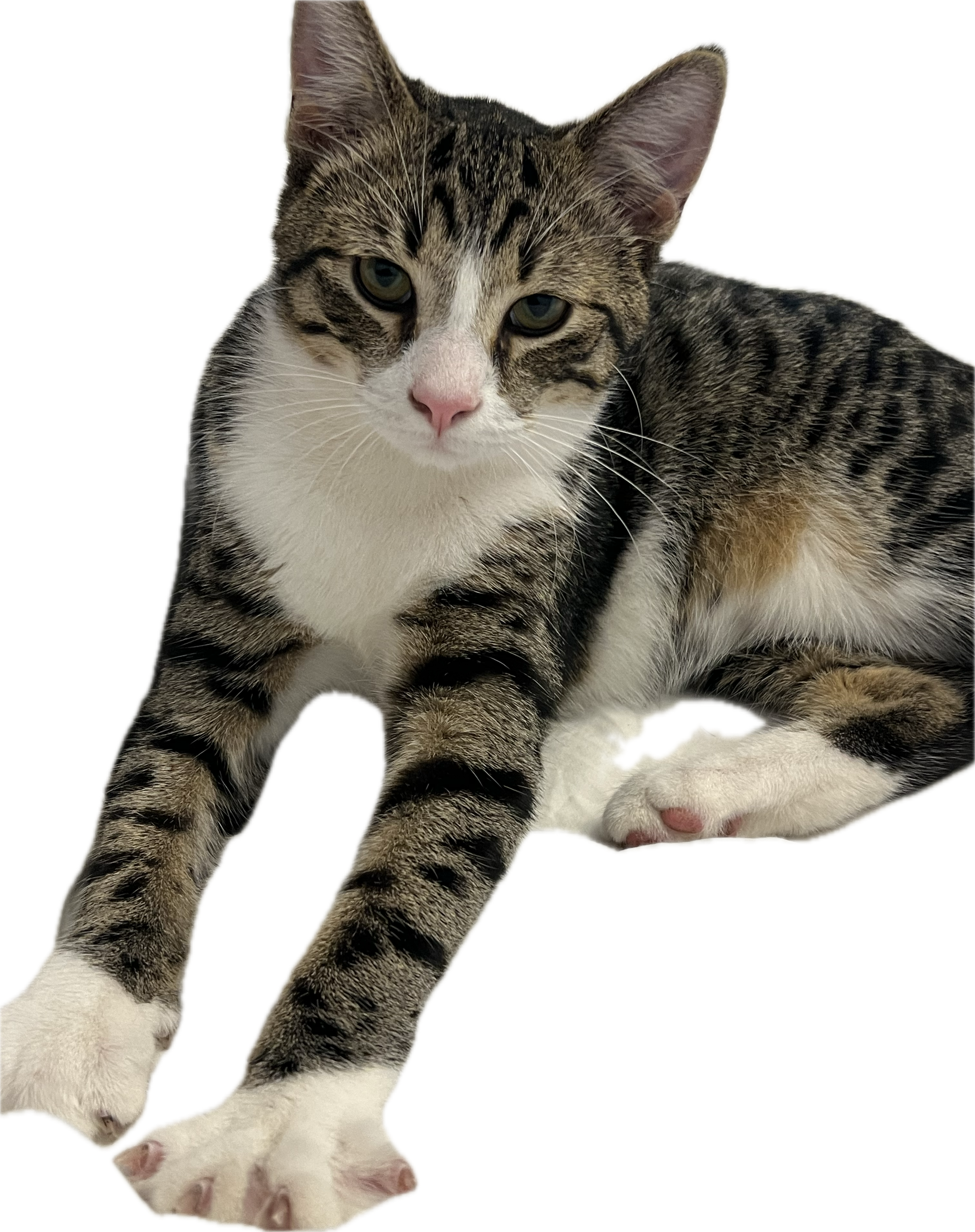
How to obtain a cat
Private breeders
Word of mouth/ friends
Online - in the UK this includes www.pets4homes.co.uk which includes a vetting process for sellers, and even Gumtree (latter not with out risk)
Rescue centres
Some cat cafes have rescue cats for adoption
Rescue centres can be great as cats are generally toilet trained, may be neutered, microchipped and sometimes in a scheme for reasonably priced vaccinations. To boot, they will be very knowledgable on the cats health, personalities and needs and they will be honest about it. They often want you to adopt kittens in pairs, and have requirements of adopters. They seem to be very strict about living on/ near a main road but don’t do a CRB to check if you’re a mass murderer or not. If you are after a specific breed or prized specimen, then a reputable breeder is your best bet. I know a few people who have bought successfully on unvetted online classified platforms without problems, however there is a risk as there is some level of anonymity. You may end up with a poorly kitty, no kitty, and breeders may put money too far ahead of cat welfare.
If you’re getting a kitten it’s ideal if you can visit and if possible also meet mum kitty, you’ll get an appreciation of how healthy and looked after the cat family are. You will also get a appreciation of it’s personality and can see if it is playing independently, snuggled up amongst other kitties, or hiding, and hopefully find the right one for you.
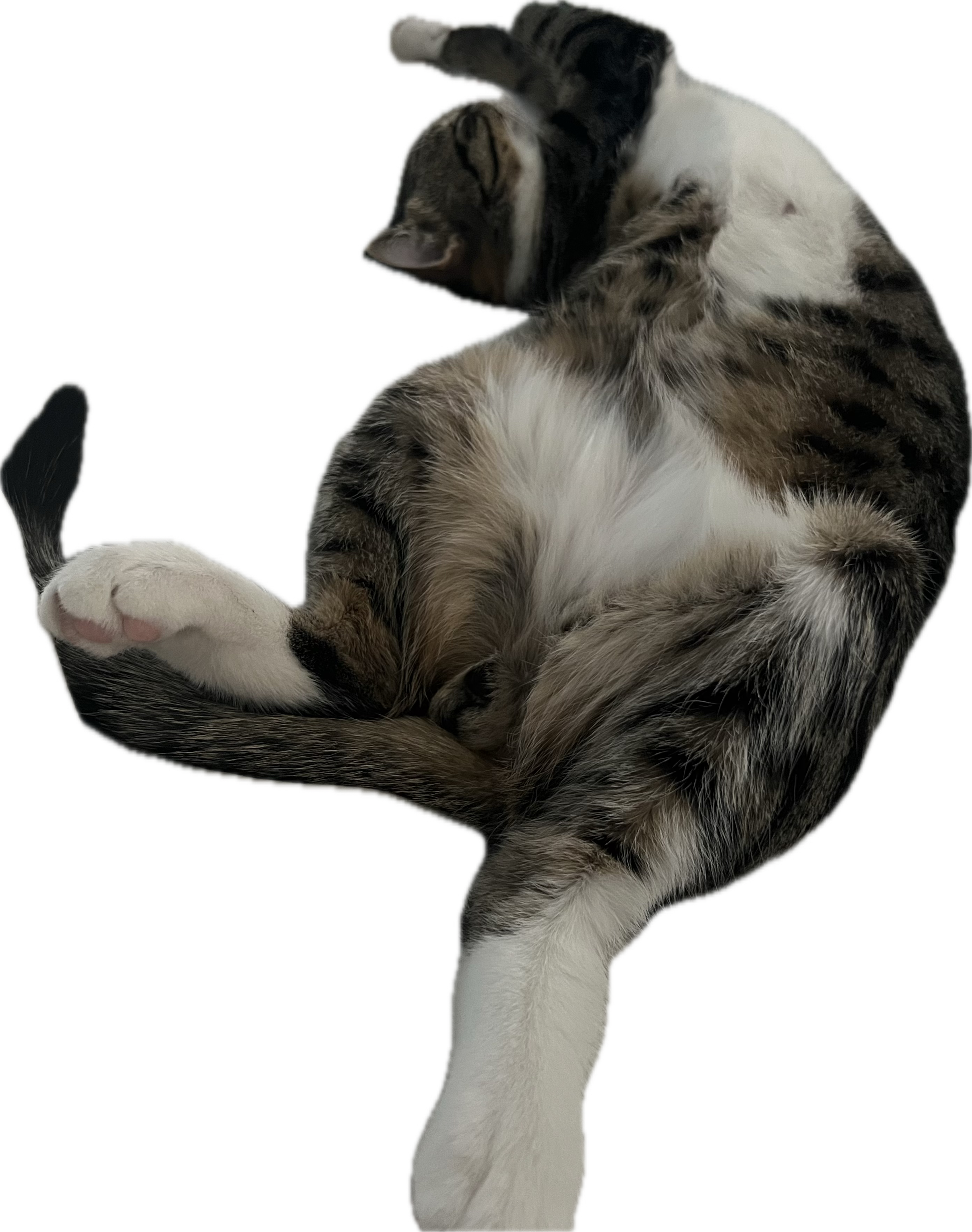
Other considerations
Food- Cats can be fussy. Some cats prefer dry, others wet, and some both. Some will even have a go at your food and you must be careful as some human foods can be harmful, possibly lethal, for cats. Avoid anything with onions, garlic, chocolate, coffee, alcohol, caffeine, artificial sweeteners, grapes, as well as raw meat/ fish. Cows milk isn’t good for them, and lactose free milk can be given but isn’t really needed and is not particularly healthy. Cats are unable to taste sugar but can still get tooth decay, so anything containing refined sugar is a no no.
When you first get a cat, initially stick to the food they’re already taking to in order to make settling in easier, and then introduce changes later if you want. My cat was offered both wet and dry foods by the previous cat parents and he only liked dry which I kept the same to start with. I had however been recommended to try another specific dry brand as some say it reduces the litter smell and I think that worked. Cats also need fresh water, and you can get water fountains for regular running water. For me a regularly refreshed bowl has worked fine. My take is that cats are very adaptable but can be fussy, and what they get used to is important - so start as you plan to go on. There are other foods that they can eat in small amounts, which I won’t go into detail about and can be looked up.
Litter- There are so many different types litter tray fillers, personal and cat preference matter and it may take some experimenting. As with food, stick to what kitty is already used to for settling-in periods. Litter can either be clumping or non clumping. The clumping version forms a solid mass on excrement and can be better for odour control, but is not suitable for young kittens.
I use a budget pet-shop brand which works great, l did try a more expensive branded one but my cat would wee but not poo in it so that was that. I have both clumping and non-clumping ones in different trays and the clumping version does control odour better, and it is easier to identify the do-do. However, the clumping (in the case of urine) can break apart when cleaned early and you need a scoop with smaller holes to capture the little clump-ettes.
There are so many variations of litter also, most are clay based and can be scented or unscented. You can also get natural litters such as pine or wood chip, and biodegradable pellets are available so if you have a preference it’s worth looking into.
On scooping technique, I generally used to dig for gold which took longer and was messier but now I shake the tray to identify kitty’s nuggets and then scoop them out. Sorry, too much info perhaps but I wouldn’t have minded this tip.
Litter trays come in various sizes too so get one that your cat will still fit in after growth is complete, I find the hooded ones are good for odour control and some cats prefer the privacy they afford.
One cat or two (or maybe more)?
The answer to this is perhaps the answer to all questions in life- it depends. Personal preference is the main factor, both yours and your cats. Some cats like being around other cats, whilst others prefer to rule their own territory. Consider what suits your household and the space available, the costs (double pet insurance), and if you and your family are available to provide enough company for a single indoor cat. Many rescue centres will house kittens from the same litter in pairs as they are quite young and a sibling acts as a constant emotional anchor in a suddenly changing world. If you want more than one cat it is worth planning in advance and introducing fellow cats when they are younger and more adaptable, or better still getting an already bonded pair. Introducing a cat later can go ok, but some older cats can get stuck in their ways and not cope well if a new cat with a different energy level turns up. Or they may just get on like a house on fire. Life is full if uncertainties.
Girl or boy. Cat behaviour is intriguing and complex. Gender based patterns have been reported in cats and these can be more exaggerated in non-neutered cats. In general, for neutered cats boys are usually more social and confident, and girls may be more timid, territorial and independent. However, males that are not neutered can be territorial and aggressive, potentially getting into fights and wondering further when on heat. Non neutered females may be more vocal and seek affection when it’s that special time of the month. Surprisingly, or perhaps unsurprisingly, females are better hunters, being wired that way in order to provide for their young and pass on that killer instinct.
Different breeds have a reputation for having certain characteristics too, and just like the gender differences reported these are generalisations and there are exceptions. Moggies (mixed breeds), referred to as domestic short hair or domestic long haired cats, are often a good mix and their health is usually more resilient. There are 40 cat breeds recognised in the UK so I’ll stick to a few popular breeds, that’s not to say the ones missed out aren’t their own brand of awesome.
Long haired- Maine Coons have always attracted me since I was a child and I saw one in a book. They are larger than your average cat, gentle majestic giants with long hair, of varied colours/ patterns. They are known for being friendly, intelligent and playful, almost dog like. In line with their size you will need more space, more food, larger litters trays and I’m guessing larger scoops. Another popular fluffy breed, the Ragdoll, is named after its laid back temperament and being floppy without resistance when held. The perfect lap cat. They start off completely white but develop patches of colour on the tips of tails, ears and faces over time. It is important that long hair cats are groomed regularly, or they can develop mats (clumps of tangled hair) that will need to be cut off. Both these breeds are associated with specific health problems such as hypertrophic cardiomyopathy (HC) and polycystic kidney disease (PKD). The Persian is another beautiful long-haired cat, they are calm and affectionate, loyal and are often reserved around strangers. They have round, flatter faces with small noses and mouths, couple this with eyes that look mildly annoyed, they have a charm that could even melt a bond villain’s heart. They can however be prone to breathing difficulties and PKD.
Looking at shorter haired varieties, I adore the beautiful Bengal. I recall when I saw my first - a bengal blue and I was mesmerised. They have a sleek, tall body and gorgeous characteristic rosette spots (dark with a lighter centre), and there are marbled varieties too. They range from vibrant orange- browns, tabby-like browns, and to grey-blues. They are high energy, adventurous cats and enjoy an outdoor life and can venture out far and get lost. They are social, but not sit-on-your-lap social. They do require mental and physical stimulation, which you must provide for if you are keeping one strictly indoors. Other lovely kitties include British Shorthairs. They have adorable full, round faces dotted with large jewel-like eyes. The classic colour is blue- grey, but they can be various shades of brown/ grey, and there are patterned ones too. They have a double coat, which makes them extra soft, and grooming is a must. They are generally calm and placid and make great house cats, and are affectionate and intelligent to boot. Health issues include joint problems, HC and PKD also. Another popular short-haired breed, Siamese cats have a very distinctive appearance, being creme-white with darker faces and legs/ tails, and piecing blue oval eyes. They are lean and elegant looking, very social, dependant, and form strong bonds with their favourite human. They can develop separation anxiety and are best kept in pairs. To ensure they get that attention, they have characteristic meows (called ‘mees’), that can range from high-pitched to guttural sounds.
And now just a little fun:
Nonsense alert- my opinion on cat personalities based on cat colour:
Grey cats, prim and aloof- they know they’re beautiful, and just who are you by the way? When they want love they’ll come for it, in their own time, on their own terms and conditions.
Tabby’s are friendly, playful cats that like to balance affection and independence. These are my personal favourite.
White cats are loyal to owners and their calm, shy and affectionate reputation possibly comes from the snowy breeds that have such characteristics such as Ragdolls and Persians.
Black and tuxedo cats; intelligent, calm, adaptable and full of personality.
Ginger cats known for being cheeky and ballsy (even neutered ones!) and goofy to boot, no wonder they have gained the reputation of having one brain cell. Although we know it’s the goofy ones that are in fact the smartest.
Advice on early days
The 3-3-3 rule has been suggested to explain the adjustment time for new cats when rehomed.
First 3 days for the cat to decompress, they may not eat or use the litter box much.
3 weeks to learn a new routine, settling in slowly and becoming more curious.
3 months to feel at home, form a bond and feel belonging.
Try to keep certain things constant from their previous home, such as the food type and brand, the cat litter, and if possible retain a favourite blanket. Avoid moving the cats items around and making significant changes to rooms.
Follow advice from the rescue centre/ breeder, if you don’t know ask.
Consider safety issues; avoid leaving a hot stove or iron on unsupervised in case kitty tries to investigate, and removal of any plants/ flowers that may be harmful to cats (lilies, aloe and many others). It is worth checking if the plants you have are cat safe, and doing the same for any new ones. Cats have a better survival instincts than kids so your home does not have to be childproofed, but make a sensible assessment of any hazards and changes that may be needed.
Often cats prefer to start off in a small section of the house and get used to the place slowly, it is also easy to lose a nervous hiding cat so it helps to contain kitty till you’ve built up some trust.
Indoor/ outdoor cat?
Decide if your cat will stay strictly indoors, or go out and consider this when choosing your kitty.
Outdoors can be a fun playground for most cats, giving them space to exhibit their natural behaviours and a suitable outlet to test their claws. As mentioned with previous examples, some breeds are better suited to be kept indoors. Some disabled cats, and cats with certain health problems (feline immunodeficiency virus), must be kept indoors unless you have a catio or another appropriate way of ensuring safety (see below).
If you would like some outdoor exposure for your cat but do not want them wandering everywhere, then a catio or cat-proofing your garden may be helpful. A catio is an enclosed large cage that you can keep in the garden, and you can connect it your home for on-demand access. Cat proofing an open garden involves sealing gaps in fences, and putting up raised fence netting that slants back on itself so that cats can’t climb it. The materials are available from DIY stores if that is your thing, or there are companies that offer the service. Some people have had success in training cats to use a harness, and I’m not sure what wizardry is at play but hats off to them.
Main roads can be an issue if your cat goes outdoors, so if you live close to one consider measures to contain or divert the cat away so they are less likely to get run over. It can be useful to limit outdoor access in the dark when they will be less visible, there is less traffic to deter them, and they tend to be more adventurous.
Bonding with cats for novices
Go with instinct and your cat’s cues. A cat flicking its tail, or pawing your hand away is a sign that it’s not a good time to make a connection.
Be calm and patient as it can take a cat time to trust. Rather than walk towards the cat, stand with your hand out and let them approach you. If this doesn’t work, just try again later. Cats seem to bond better with hard-to-get individuals, I’m not sure if they like a challenge or just like those who respect their boundaries.
A little bribery goes a long way, get a bag of cat treats but remember too much is not good for them.
Do your own thing around them, they find this very interesting.
Generally avoid loud noises and screaming and shouting. Having said this, our cat comes for a listen when my son is on the drums.
Kids can be overzealous, teach them to be calm and harness their cute aggression. Don't let children corner or grab a scared cat as the cat may unleash protective reflexes, remember the 20 millisecond versus 200 millisecond advantage cats have? Also, although the internet is awash with cute videos of cats cuddling up to sleeping babies, my personal opinion is that you must not let a cat sleep in the same room as a young child. Besides, keep that cat warmth for yourself.
In summary, if you’re thinking of getting a cat and can provide love and care for it’s lifetime (13-20 years), go for it!